
 Admin
Admin
Carlos Scola Pliego is a Spanish filmmaker whose name has remained connected to one of the most distinctive voices in popular music, Sade Adu. While many people first encounter Carlos through his former marriage to the British-Nigerian singer, his own professional career deserves attention. He worked behind the camera in several production roles, including assistant director, director, writer, and producer, and his credits span Spanish and international productions. His professional record includes work on films and television projects during the early 1980s, followed by documentary projects in the late 1980s. At the same time, much of his personal biography remains private. Reliable sources do not establish many commonly repeated details about his birth date, childhood, education, finances, or present-day life.
Carlos Scola Pliego Quick Biography
| Biography Detail | Information |
|---|---|
| Full Name | Carlos Scola Pliego |
| Professional Name | Carlos Scola |
| Nationality | Spanish |
| Profession | Filmmaker, director, writer, assistant director |
| Known For | Film work and marriage to Sade Adu |
| Former Wife | Sade Adu |
| Marriage | 1989 |
| Divorce | 1995 |
| Notable Directing Work | Ngira: Gorilas en la montaña, Donde termina el corazón |
| Television Credit | Christopher Columbus |
| Date of Birth | Not reliably established |
| Current Residence | Not reliably established |
| Net Worth | No credible public estimate |
Who Is Carlos Scola Pliego?
Carlos Scola Pliego is generally identified as a Spanish film director and filmmaker, although professional databases also credit him under the shorter name Carlos Scola. His career developed primarily behind the camera, where he worked in production and assistant-directing positions before taking on writing and directing responsibilities. IMDb lists him as being associated with projects including Ngira: Gorilas en la montaña, Donde termina el corazón, Christopher Columbus, Eleni, Hundra, and other productions. His public profile increased substantially because of his relationship with Sade Adu, but his film credits demonstrate that he had an independent professional identity. Rather than being simply remembered as a celebrity spouse, Carlos can more accurately be described as a Spanish audiovisual professional whose career developed through several different filmmaking roles.
Early Life and Background
The early life of Carlos Scola Pliego is one of the least documented parts of his biography. Unlike Sade Adu, whose childhood and musical development have been discussed extensively in interviews and biographies, Carlos has generally remained outside the media spotlight. Reliable sources reviewed for this profile do not establish his exact date of birth, parents, siblings, schooling, or childhood circumstances. EL PAÍS has described him as a Madrileño, or a man from Madrid, while also documenting his professional connection to Sade during her years in Spain. Beyond that, details about his formative years should be treated cautiously. The absence of information does not mean that his early life was uneventful; it simply means that there is not enough authoritative public documentation to reconstruct it accurately.
His Connection to Madrid and Spanish Cinema
Madrid became an important part of the story of Carlos Scola Pliego, particularly because it was where his professional and personal worlds eventually intersected with Sade Adu. According to EL PAÍS, Carlos was already developing a career in Spain’s audiovisual industry when Sade spent an extended period in Madrid. The newspaper explains that he worked as an assistant director on three music videos connected with Sade’s Promise era. This connection provides a useful insight into Carlos’s career because it places him within a working film environment rather than presenting him merely as Sade’s future husband. His knowledge of production and location work appears to have helped establish the professional relationship that later developed into a personal one.
How Carlos Scola Pliego Started His Film Career
The documented film career of Carlos Scola Pliego stretches back to the early 1980s. IMDb credits him in assistant-directing positions on projects such as Fin de un verano, Dos y dos, cinco, Otelo (Comando negro), G’olé!, Hundra, Scarab, Never Say Never Again, and Curse of the Pink Panther. These roles were important because assistant directors are involved with the practical organization of productions, including coordination between departments, schedules, locations, and the wider filmmaking process. Carlos therefore built experience through the demanding production side of cinema before moving toward projects where he received directing and writing credits. His early career demonstrates that his professional identity was established independently of his later association with Sade Adu.
Carlos Scola Pliego as an Assistant Director
One of the clearest aspects of Carlos Scola Pliego’s professional history is his work as an assistant director. IMDb identifies him as assistant director for Spain on the 1985 television miniseries Christopher Columbus, where he is credited under the name Carlos Scola Pliego. He also worked on Eleni and several international productions filmed partly in Spain. His participation in these projects suggests that he had experience handling the logistical and organizational demands of large productions. This is significant because assistant-directing work rarely receives the same public attention as acting or directing, even though it is crucial to keeping complicated productions operating smoothly. Carlos’s early credits consequently reveal a professional who developed his career through practical production experience rather than celebrity exposure.
International Film Productions and Major Credits
The filmography associated with Carlos Scola Pliego includes several internationally recognizable titles. His assistant-directing credits include Sean Connery’s Never Say Never Again and the comedy Curse of the Pink Panther, both from 1983. He was also connected with Hundra, G’olé!, Scarab, and other productions during the same period. These credits are important because they show how Spanish production professionals could become involved in international projects shooting in Spain or requiring local production expertise. Carlos did not necessarily receive prominent screen recognition from these assignments, but the work formed part of his professional development. Taken together, these credits present a picture of an experienced production specialist who gradually expanded his responsibilities within the film industry.
Carlos Scola Pliego and Documentary Filmmaking
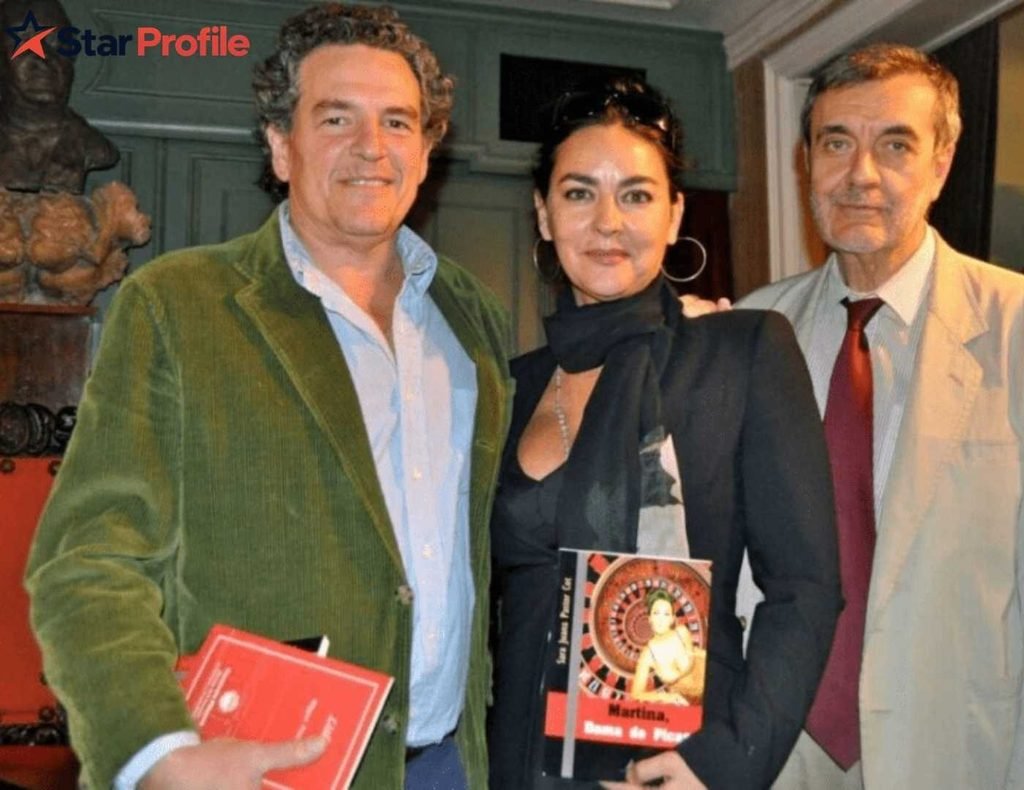
The career of Carlos Scola Pliego took a more personal creative direction when he became involved in documentary filmmaking. IMDb lists ** Ngira: Gorilas en la montaña ** as a 1988 short for which Carlos received directing and writing credits, while Donde termina el corazón is listed as a 1989 directing and writing project. Moving from assistant-directing positions to writing and directing represented an important professional development. Documentary filmmaking also requires a different approach from conventional fictional productions because filmmakers must work with real locations, people, environments, and circumstances. These projects provide evidence that Carlos was not merely a production worker but also pursued opportunities to exercise creative control over his own filmmaking projects.
What Is Ngira: Gorilas en la montaña?
** Ngira: Gorilas en la montaña ** is one of the most notable projects associated with Carlos Scola Pliego. IMDb lists the short documentary as a 1988 production and credits Carlos as co-director and writer. The project is particularly interesting because its subject matter moved away from the commercial productions on which Carlos had previously worked. Its focus on gorillas and the natural environment placed the filmmaker in a documentary setting where observation and location work were central to the storytelling process. While surviving public information about the production is limited, the credit remains an important part of Carlos’s professional record. It demonstrates that his filmmaking interests extended beyond mainstream entertainment and included real-world subjects connected with wildlife and the natural environment.
What Is Donde termina el corazón?
Another significant title in Carlos Scola Pliego’s filmography is Donde termina el corazón, which IMDb lists as a 1989 project with Carlos credited as director and writer. The film is especially relevant when examining his career because it came shortly after his documentary work and during the same period in which his relationship with Sade Adu became more prominent. Available public information about the production is relatively limited, so claims about its complete production circumstances should not be exaggerated. Nevertheless, the directing and writing credits establish that Carlos had moved into a more creative position within filmmaking. His work during this period shows an evolution from supporting production roles toward authorship and independent creative responsibility.
Carlos Scola Pliego and Sade Adu
The relationship between Carlos Scola Pliego and Sade Adu is the main reason his name became familiar to a much wider audience. Sade was already an internationally successful singer when the pair became romantically involved. EL PAÍS reports that Sade moved to Madrid during a period when she was seeking greater privacy and that she and Carlos became romantically involved after reconnecting there. Their story is particularly interesting because both were connected to creative industries but worked in very different public environments. Sade was increasingly recognized around the world for her music, while Carlos largely remained behind the camera. Their relationship therefore connected two very different kinds of creative careers: international music celebrity and Spanish film production.
When Did Carlos Scola Pliego and Sade Adu Get Married?
Carlos Scola Pliego and Sade Adu married in 1989. IMDb records the marriage as beginning on February 11, 1989, while contemporary and retrospective reporting has also placed their wedding in October 1989, creating some inconsistency in the public record over the precise date. Because of that discrepancy, the safest factual statement is that the couple married in 1989. EL PAÍS reports that the wedding took place at a Spanish castle, although detailed information about the ceremony remains limited. Their marriage attracted attention largely because of Sade’s growing international fame. Carlos himself did not become a conventional celebrity, and he continued to maintain a comparatively private profile.
Their Marriage and Life in Spain
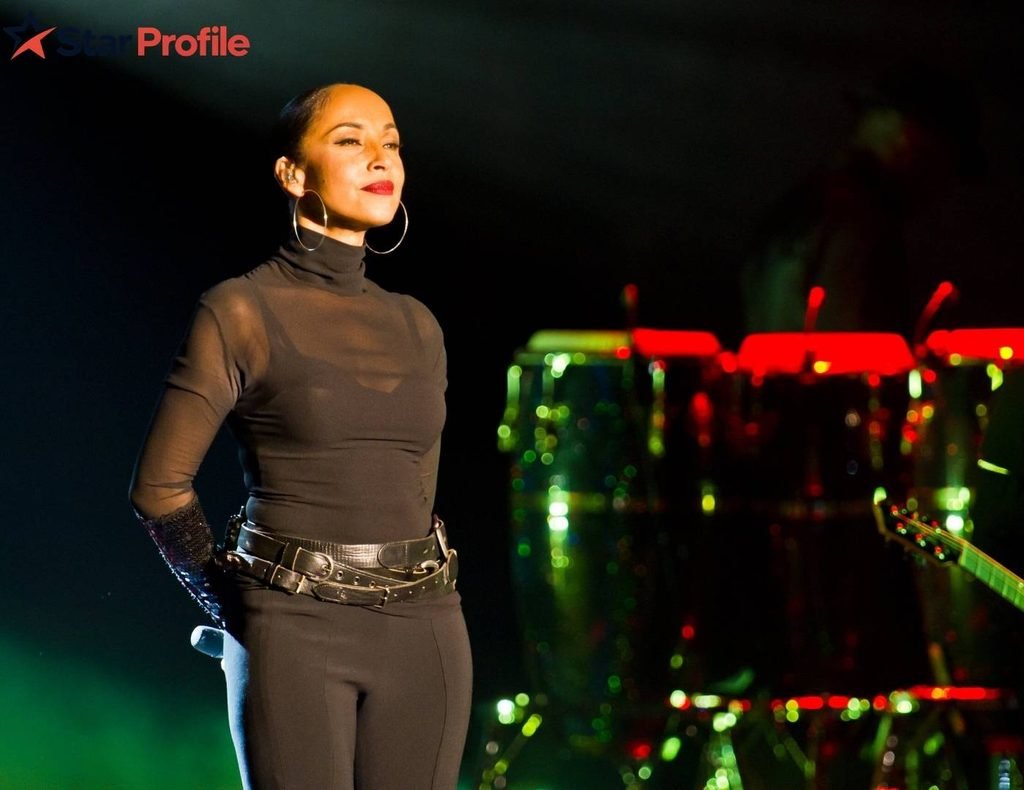
The marriage placed Carlos Scola Pliego alongside Sade during an important stage of her personal and professional life. Sade had experienced the intense demands of international touring and increasing public attention, and Madrid offered her a degree of distance from the British entertainment industry. EL PAÍS describes this period as one in which she sought a quieter existence in the Spanish capital. Carlos’s role as a filmmaker and his connection to Madrid made the relationship naturally linked with Spain’s creative environment. Although numerous stories about their private life have circulated over the years, reliable sources provide relatively few intimate details. This lack of documentation is consistent with the couple’s generally private approach to personal matters.
When Did Carlos Scola Pliego and Sade Adu Divorce?
The marriage between Carlos Scola Pliego and Sade Adu ended in divorce in 1995, according to IMDb’s biographical record. Some contemporary reporting described the couple as having separated earlier, but the divorce is consistently placed in 1995 by the strongest readily available biographical records. The exact reason for the end of their marriage has not been established through a detailed, authoritative public account. It would therefore be inappropriate to present rumors or speculation as the explanation. What can be said confidently is that the marriage lasted several years and eventually ended, after which Carlos largely disappeared from mainstream celebrity coverage. Sade continued her highly successful music career, while Carlos remained much more private.
Life After His Marriage to Sade Adu
Very little reliable information is available about Carlos Scola Pliego’s private life after his divorce from Sade. His professional filmography provides evidence of continued involvement in audiovisual work, including a later technical credit associated with Goal II: Living the Dream in 2007. IMDb lists him among the additional technical credits for that production. Beyond documented professional credits, however, his current occupation, residence, relationships, and daily life are not reliably established. This is an important distinction because numerous websites publish detailed claims about Carlos’s present circumstances without identifying trustworthy sources. The responsible conclusion is that his post-divorce life has largely remained outside the public record rather than assuming that every online biography is accurate.
Carlos Scola Pliego’s Privacy and Public Image
Privacy is one of the defining features of Carlos Scola Pliego’s public image. He did not build a career around appearing in interviews, reality television, or celebrity publicity. Instead, most of the reliable information about him comes from film credits and historical reporting about his relationship with Sade. That limited public presence explains why his biography contains significant gaps. It also helps explain why his name periodically attracts renewed interest whenever readers revisit Sade’s career and personal history. Rather than interpreting the lack of information as evidence of mystery or controversy, it is more accurate to recognize it as a consequence of a private professional life. Carlos’s story illustrates how someone can become historically connected to a major celebrity without becoming a celebrity himself.
Carlos Scola Pliego’s Net Worth and Financial Information
There is no reliable public source establishing Carlos Scola Pliego’s net worth. Some online celebrity websites publish specific dollar amounts, but these figures generally do not provide financial documents, verified earnings information, property records, or other evidence capable of supporting the estimates. For that reason, assigning a precise net worth to Carlos would create a false sense of certainty. His career in film undoubtedly involved professional earnings, but his income, assets, investments, and financial arrangements have not been publicly documented in a credible way. A trustworthy biography should therefore list his net worth as unknown rather than repeating an unsupported estimate. This is particularly important for private individuals whose financial lives are not subject to the same public reporting as major corporate figures.
What Makes Carlos Scola Pliego’s Story Interesting?
The story of Carlos Scola Pliego is compelling because it combines professional filmmaking with a connection to one of music’s most recognizable artists. Yet his importance should not be reduced entirely to his marriage. His filmography shows years of work as an assistant director, followed by opportunities as a writer and director. His credits on projects such as Christopher Columbus, Never Say Never Again, Ngira: Gorilas en la montaña, and Donde termina el corazón provide a documented professional trail. At the same time, his limited public presence means that many aspects of his life remain unknown. That combination of documented career achievements and personal privacy gives his biography a distinctive character.
Carlos Scola Pliego’s Professional Legacy
Although Carlos Scola Pliego never achieved the international celebrity status of Sade Adu, his professional record demonstrates a meaningful contribution to film production. He worked across multiple responsibilities and gained experience on both Spanish and international projects. His progression from assistant director to writer and director suggests a career built through practical knowledge of filmmaking. His documentary work is particularly valuable when considering his creative ambitions because it moved him toward subjects outside mainstream commercial cinema. IMDb continues to identify Ngira: Gorilas en la montaña and Donde termina el corazón among his best-known credits. His legacy, therefore, is best understood through his work rather than through celebrity association alone.
Why Accurate Information About Carlos Scola Pliego Matters
Writing about Carlos Scola Pliego requires more care than simply collecting facts from celebrity websites. His name appears across many modern biography pages, but those pages sometimes contradict one another about his birth year, nationality, education, occupation, finances, and personal life. Stronger evidence comes from established film databases and reputable journalism. IMDb documents his professional credits and marriage to Sade, while EL PAÍS provides valuable historical reporting about his Madrid years and relationship with Sade. Where reliable evidence is unavailable, the most accurate approach is to say that the information is unknown. This makes the biography more credible and protects readers from assumptions presented as established facts.
Conclusion
Carlos Scola Pliego remains an intriguing figure because his life sits at the intersection of Spanish cinema and the international career of Sade Adu. He was not simply the singer’s former husband; he was a filmmaker with documented experience as an assistant director, writer, director, and production professional. His credits include major international productions and documentary projects such as ** Ngira: Gorilas en la montaña ** and ** Donde termina el corazón **. His marriage to Sade began in 1989 and ended in divorce in 1995. Beyond these established facts, much of Carlos’s personal life remains private. That privacy is an important part of his story and should be respected rather than filled with unsupported claims.
FAQs About Carlos Scola Pliego
Who is Carlos Scola Pliego?
Carlos Scola Pliego is a Spanish filmmaker known for working as an assistant director, director, and writer. He is also widely recognized because he was formerly married to singer Sade Adu. His film credits include several productions from the 1980s and later work connected with documentary filmmaking. IMDb lists him professionally under both Carlos Scola and Carlos Scola Pliego.
Is Carlos Scola Pliego a film director?
Yes. Carlos Scola Pliego is credited as a director and writer on Donde termina el corazón and as a co-director and writer on Ngira: Gorilas en la montaña. His earlier career also included numerous assistant-directing positions on Spanish and international productions.
Who was Carlos Scola Pliego married to?
Carlos Scola Pliego was married to Sade Adu, the British-Nigerian singer and songwriter associated with the band Sade. IMDb records their marriage beginning in 1989 and ending in divorce in 1995.
When did Carlos Scola Pliego and Sade Adu marry?
The couple married in 1989. Some sources differ regarding the precise date, so 1989 is the safest consistently documented year. EL PAÍS reports that the wedding took place at a Spanish castle.
What movies did Carlos Scola Pliego work on?
His documented film and television credits include assistant-directing work on productions such as ** Never Say Never Again, Curse of the Pink Panther, Hundra, Eleni, and Christopher Columbus**. He later received directing and writing credits for Ngira: Gorilas en la montaña and Donde termina el corazón.
What is Carlos Scola Pliego’s net worth?
There is no reliably verified public figure for Carlos Scola Pliego’s net worth. Online estimates vary widely and are generally unsupported by credible financial evidence. Therefore, his net worth should be considered unknown rather than assigning an unverified amount.
Where is Carlos Scola Pliego now?
His current residence and professional activities are not reliably documented in authoritative public sources. His historical film career and marriage to Sade are well documented, but much of his later personal life has remained private. It is therefore safer not to speculate about his current location or circumstances.










[…] Stephanie Sarkisian is the former wife of Steve Sarkisian, the longtime American football coach who has led major college programs and currently coaches the Texas Longhorns. Her public recognition largely comes from that marriage and from being the mother of their three children, Ashley, Taylor, and Brady. However, describing Stephanie only through her former husband does not fully capture the public record. She was present during several important stages of Steve’s rise in football, including his transition from professional player to coach and his move into major college leadership. At the same time, Stephanie herself has remained largely outside interviews, sports commentary, and celebrity culture, making reliable information about her individual career and personal life relatively limited. […]